Boots on Trail: Hiking and Camping the PNW Backcountry
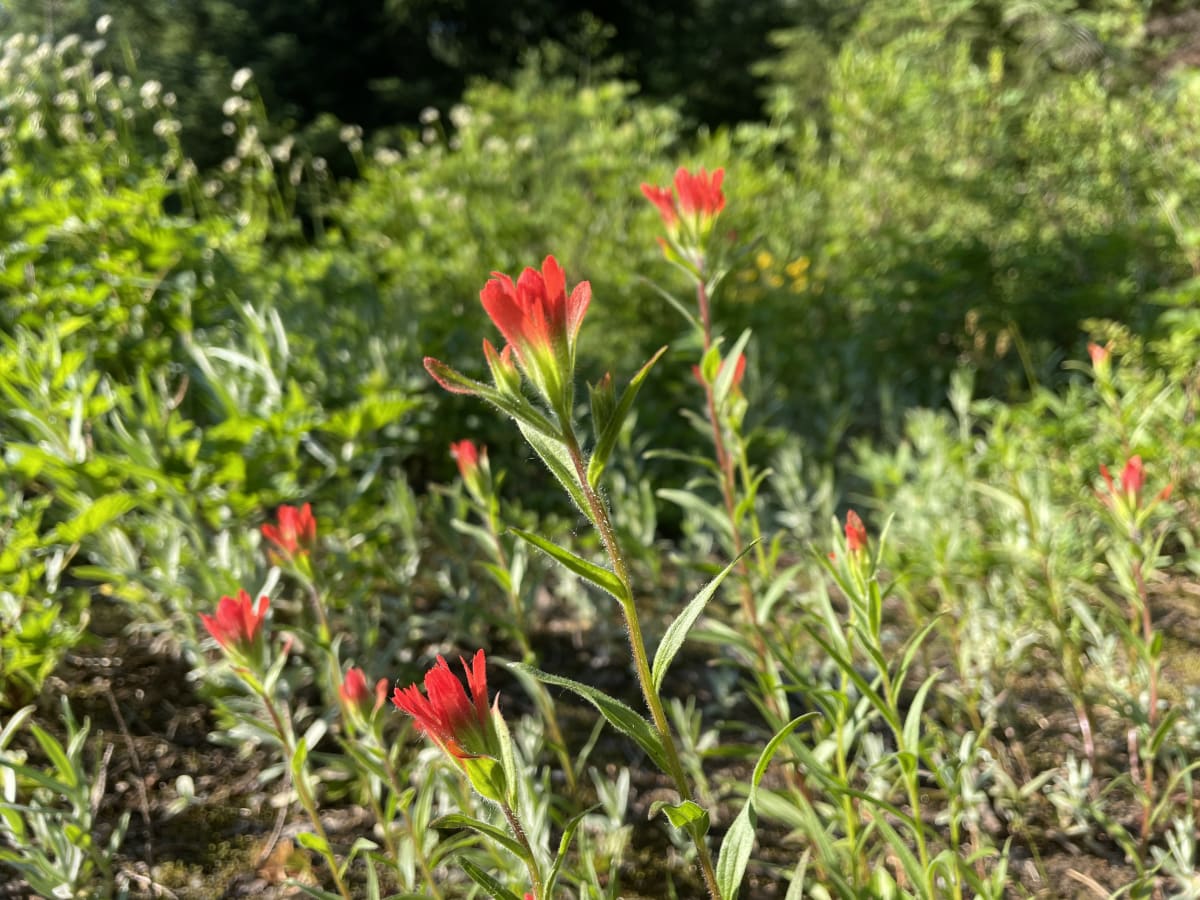
The Pacific Northwest backcountry is not subtle about what it offers. Ancient forests, volcanic peaks, glacial lakes, and enough rainfall to keep it all aggressively green. Getting into it on foot is the slowest and best way to actually see it.
The PNW Camping Reality Check
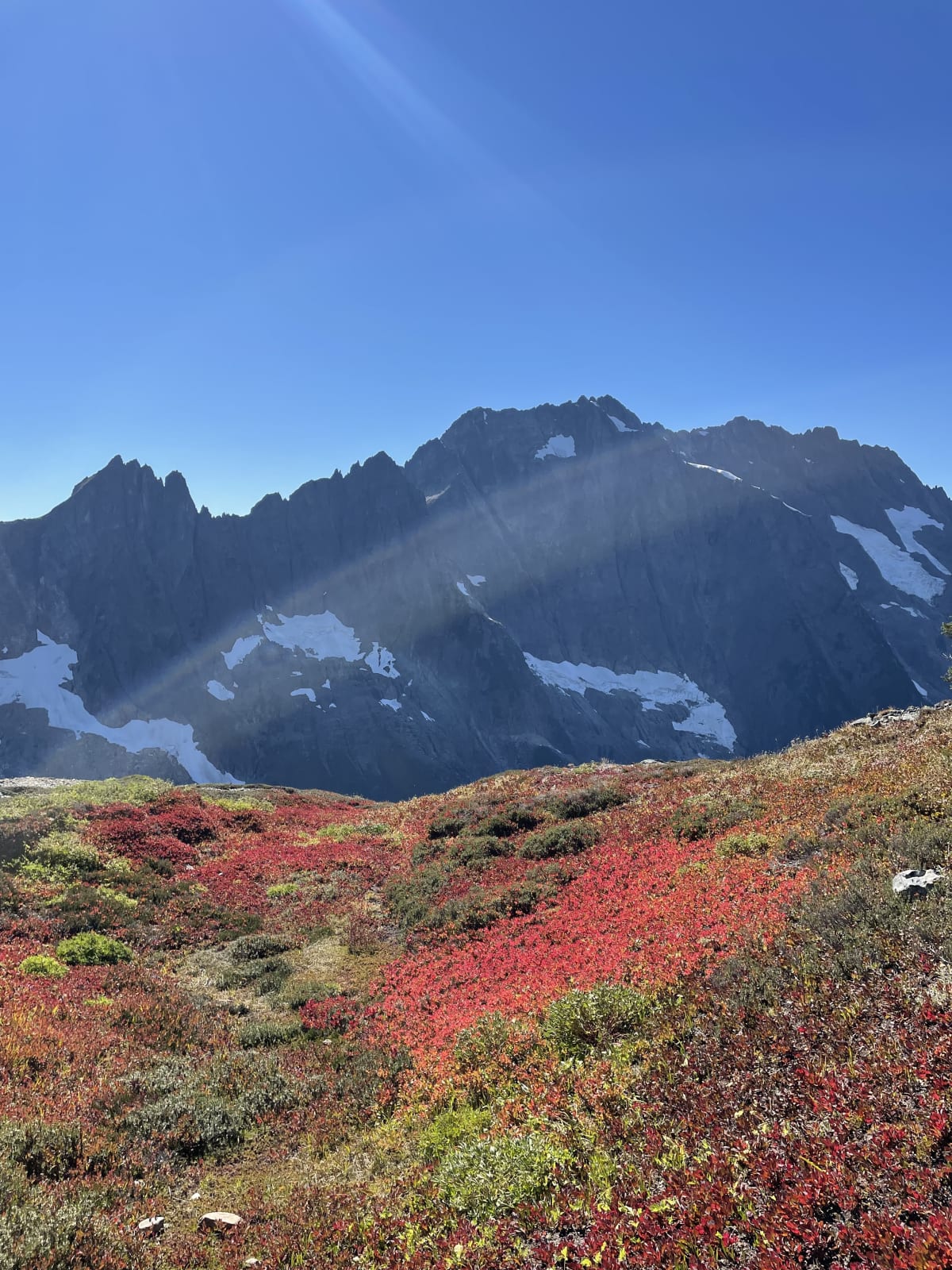
Before the fantasy: it rains. Even in summer. A weekend trip that starts sunny can turn wet by Saturday afternoon and stay that way. The people who love camping out here do not mind the rain — they have just learned to be prepared for it.
The reward for tolerating the weather is solitude, landscapes that feel untouched, and an absolute absence of cell signal. Sometimes that last one is the point.
Favorite Areas
Enchantments (Wenatchee National Forest, WA)
The Enchantments are one of the most coveted backcountry permits in the Pacific Northwest — for good reason. Alpine lakes, granite slabs, and resident mountain goats. The lottery for core zone permits is competitive, but the Colchuck and Snow Lakes zones are more accessible.
Trip length: 3–5 days for the full traverse Permit required: Yes, lottery in February — apply early Best time: August–September when the snow has cleared
Goat Rocks Wilderness (WA)
A high alpine ridgeline between Rainier and Adams, Goat Rocks offers some of the best ridge walking in the state. The Snowgrass Flat area is stunning. On a clear day you can see five volcanoes.
Trip length: 2–4 days Entry point: Snowgrass Trailhead Watch for: Snow on the ridge into July
Olympic Coastline (Olympic National Park, WA)
Backpacking the coast is entirely different from the mountains. Tidal zones dictate your schedule — certain beach sections are only passable at low tide, so you plan around the tide charts. The combination of rainforest, sea stacks, and wild beach is unlike anything else in the lower 48.
Trip length: 2–7 days depending on the section Permit: Required for backcountry camping Bring: Tide charts, bear canister (required), waterproof everything

Gear That Has Earned My Trust
Shelter
A quality tent matters more in the PNW than anywhere else. Seam-sealed, double-walled, and actually waterproof (not "water resistant"). I have used the Big Agnes Copper Spur series for years — lightweight and legitimately handles rain.
Layers
- Base: Merino wool. Stays warm when wet, does not hold odor over a multi-day trip.
- Mid: A down puffy only if the forecast is dry. A synthetic fill (Primaloft) if there is any chance of getting wet.
- Shell: A real hard shell with taped seams. The difference between a $50 rain jacket and a proper one becomes clear the first time you are hiking in a sustained downpour.
Footwear
I hike in Danner classics GTX — enough ankle support for rough terrain, light enough to actually enjoy walking in. Waterproof lining is a must for the PNW. Accept that your feet will get wet on some crossings and plan dry socks in a dry bag accordingly. Throw gaiters and crampons when higher up.
Pack
For 3–5 day trips I run a 50–60L pack. North Face Summit Series 60L has served me well — the suspended mesh back keeps airflow and reduces fatigue on long days.
Leave No Trace
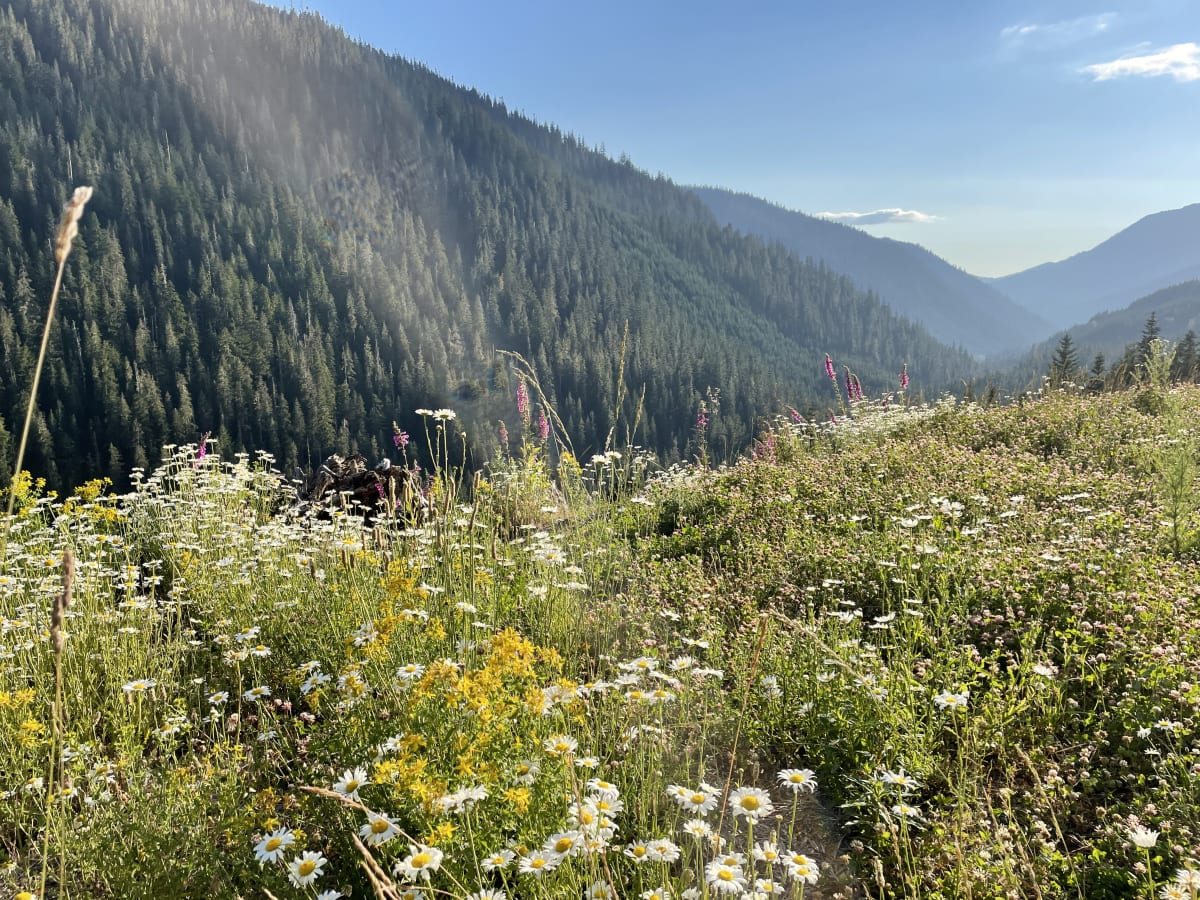
The PNW wilderness is heavily used. Stick to established campsites, pack out everything, hang your food (or use a canister), and stay on trail. The wet soil and alpine vegetation here does not recover quickly from being trampled.
The mountains are generous if you treat them with care.

Starting Out
If you are new to backcountry camping, the Olympic Peninsula has several excellent car-camping spots adjacent to backcountry trailheads. Spend a night there before going further in. Learn your gear at home first — test your tent, know your stove, break in your boots. Nothing ruins a trip like discovering a gear problem three miles from the trailhead.
The trail will still be there tomorrow. Take your time getting ready for it.